Recently, I gave a talk in German about creativity and AI at the University of Bremen. My comparison between analogue, human and AI-driven work went as follows.
It is still the individual who makes the decisions and brings their own experience to bear. People have feelings, change their minds and are sometimes unpredictable. That is precisely what sets this process apart from a purely analytical one.
Niklas Barning
So when I want to write or design something, the first thing that interests me is the idea I’m bringing to it.
Some months later, I came across these two articles, which somehow present two contrasting views on the use of AI in the creative process.
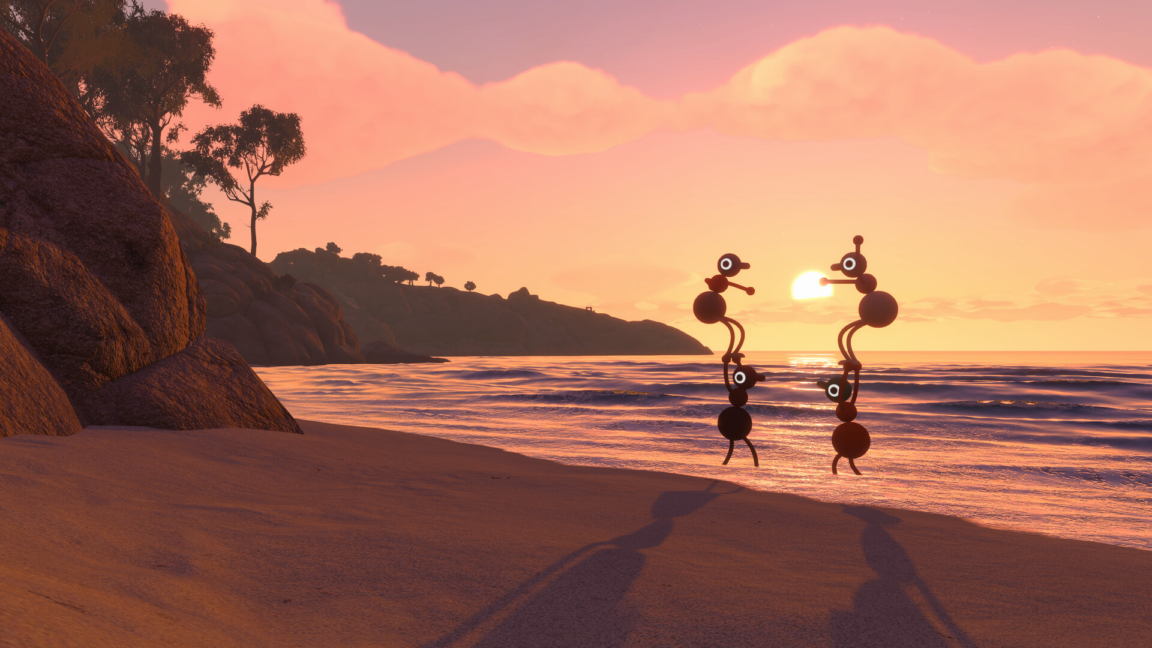
I get it. Rules are rules, and House House is violating the IGF’s No-AI Rule. I don’t want to discuss that. The interesting part is the question of where human creativity begins and where it ends. For Damon Reece, the answer seems quite clear:
We need to choose to speak loudly and clearly on this, to prioritize human creativity and labour, to tell the culture and the world that this is unacceptable to us. To do otherwise is rank cowardice.
Damon Reece
Apparently, 10 lines of AI-generated code are enough to make something insufficiently creative. That’s an exaggeration, but I think you get where I’m going with this.
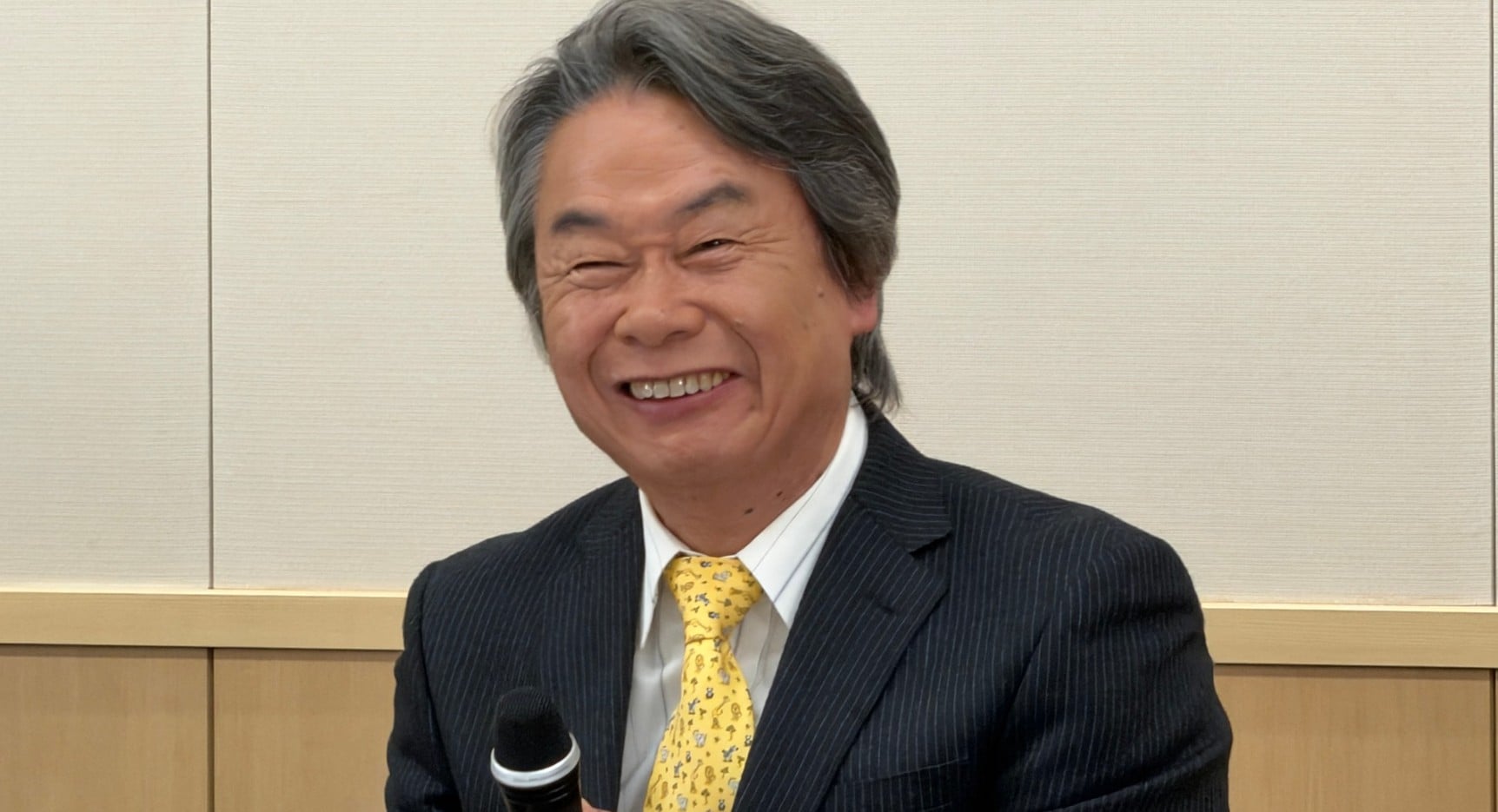
And then, on the other hand, there’s this quote from Miyamoto:
Because the process relies on an individual’s intent, with the computer serving as an assistant for the labor, I believe that even as technology continues to evolve, and even if AI were to eventually handle everything, there will always be a role left for us to play.
Shigeru Miyamoto
„An assistant for the labor“, not a replacement for the creative work. This reminded me of the process of inbetweening. A primary artist draws the keyframes of an animation, and another artist draws everything in between. Does that mean the primary artist is less creative because they have „an assistant for the labor“, even if that assistant is another human?
What kind of labour should still be part of the creative process in the age of AI? I honestly don’t know, but it’s interesting to see these two contradictory perspectives out in the open.
Schreibe einen Kommentar